Singapore electronics output jumps 30% as AI pushes global chip revenue toward $1.32t
However, Middle East tensions put helium supply for chipmakers at risk.
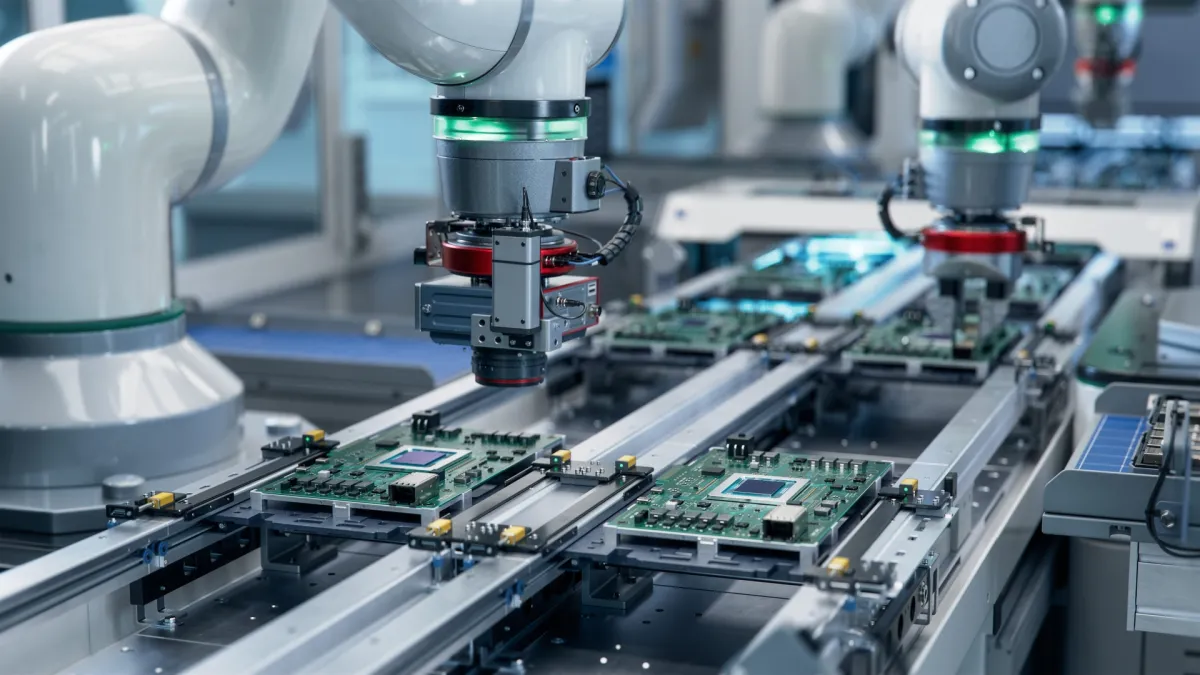
The semiconductor sector could see further gains as demand from artificial intelligence (AI) and memory chips increases, according to DBS Group Research.
Memory led the growth, with equipment makers next, as both are expected to benefit from rising AI and memory demand, the bank said.
It cited updated forecasts from Gartner showing global semiconductor revenue could reach $1.32t in 2026, up from earlier estimates of around $1t.
Moreover, Singapore is maintaining its full-year industrial production growth forecast at 4% and GDP projection at 3% for 2026, supported by strong manufacturing output, according to a separate report by RHB.
Manufacturing output grew 10.1% year-on-year (YoY) in March, driven by a 30% rise in the electronics cluster, with growth attributed to semiconductors, as well as infocomms and consumer electronics.
“The positive spillover effect is broadening across the entire value chain, with global semiconductor companies expected to average about 20% YoY revenue growth over the coming year,” DBS said.
The report also pointed to longer-term drivers supporting the sector, including continued spending on AI infrastructure, more complex chip designs, and strong demand for memory chips. “Structural growth factors now outweigh near-term cyclical volatility,” it added.
However, the bank flagged risks, including weaker-than-expected orders and execution challenges.
RHB also cautioned that Middle East tensions could disrupt critical inputs such as helium used in semiconductor manufacturing.
Moreover, trade policy uncertainty from ongoing US Section 301 investigations, launched by the Office of the United States Trade Representative (USTR) in March into imports linked to forced labour, alongside concerns over structural excess capacity in manufacturing sectors, could affect the sector.
Since then, Singapore has submitted written responses to the USTR, stating that it does not have forced labour in its supply chains and disputing claims of industrial overcapacity.
Meanwhile, DBS said Singapore-listed semiconductor stocks still have room to rise despite recent gains. “Valuation catch-up remains in play.”
DBS maintained a “buy” rating on UMS Integration, AEM Holdings, and Frencken Group, whilst raising target prices for all three.