Automation helps Singapore offset labour limits
Frost & Sullivan says robotics and AI support high-value production as low-margin industries move abroad.
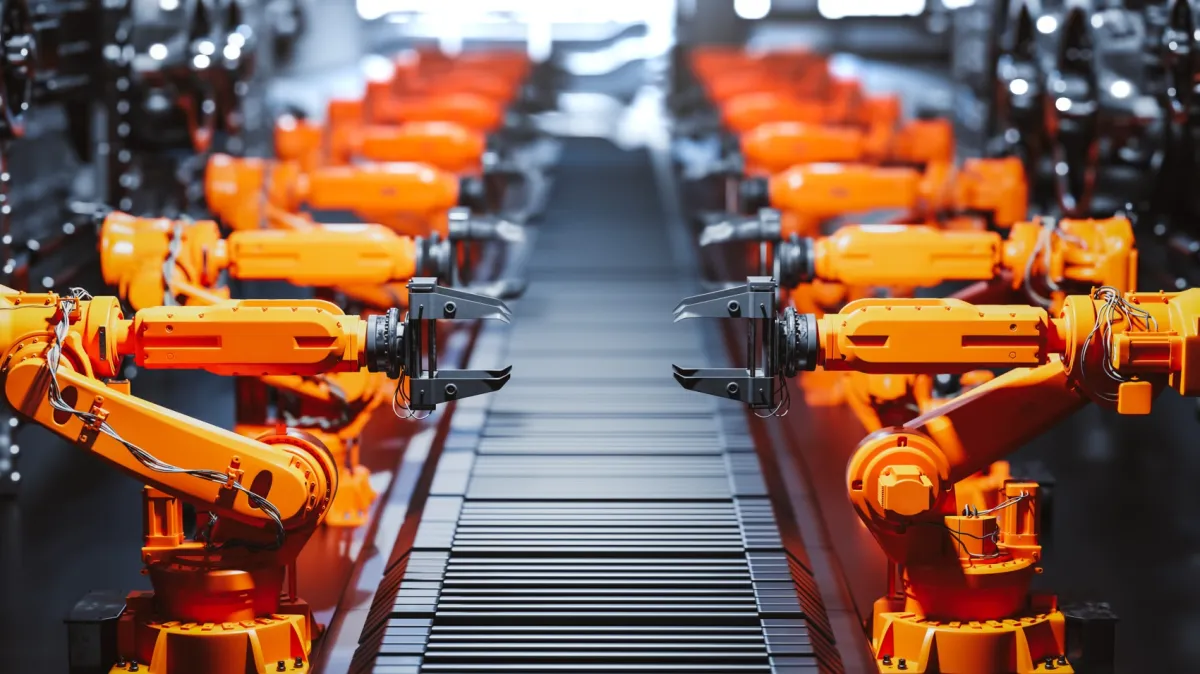
Singapore’s manufacturing edge is increasingly tied to automation, with around 730 robots per 10,000 workers helping the city-state defend its role in high-value production.
Ravi Krishnaswamy, Managing Director and Regional Leader for Asia Pacific at Frost & Sullivan, said Singapore’s model is difficult to replicate because it combines Industry 4.0 technologies, talent, infrastructure, legal stability and research investment.
The government has built world-class industrial parks and spent close to S$60b on research and development, whilst intellectual property protection and a stable legal system give global companies confidence to place advanced manufacturing and innovation centres in the country.
About 35% of Singapore graduates have a STEM background, giving manufacturers access to technical talent. “I think a lot of these factors make Singapore very unique when compared to many of the other markets in the region,” Krishnaswamy said.
Automation is becoming more important as Singapore faces labour availability constraints. Krishnaswamy said robotics, AI and digital manufacturing are becoming mainstream, especially in precision engineering. Singapore is also serving as a test bed for global manufacturers’ smart factories.
He cited Lighthouse Advanced Production Sites, which he said have raised production efficiency by about 30% to 50%. Examples include Micron’s US$10b AI-driven chip factory and Rolls-Royce’s highly automated assembly plant.
Rising costs remain the main pressure point. Krishnaswamy said low-margin manufacturing, including food and beverage and basic electronics, has moved to regional centres such as Malaysia, Vietnam, Indonesia and Thailand.
Singapore is instead shifting towards advanced semiconductors, advanced packaging, biopharma, clean tech and future areas such as quantum. These sectors require higher levels of automation, R&D and intellectual property intensity, which can help offset labour cost pressures.
“By continuously innovating and boosting productivity, Singapore definitely will create its own cutting edge in terms of advanced manufacturing,” Krishnaswamy said.