Global supply chains tighten again as Middle East conflict drags on
Labour shortages bite hardest since 2022 as firms scramble to stockpile.
Global supply chains grew more strained in August for the first time since April, as the continuing conflict in the Middle East pushed manufacturers in Europe and North America to stockpile materials more aggressively, according to the latest GEP Global Supply Chain Volatility Index.
The index, compiled by S&P Global and GEP from a monthly survey of 27,000 businesses worldwide, had been easing since the sharp tightening seen in the early weeks of the war. August's uptick suggests that reprieve may be running out of road.
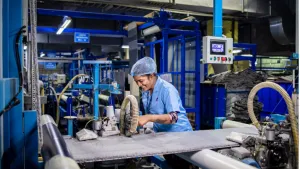
Factory purchasing activity picked up pace globally last month, driven chiefly by manufacturers in the United States, China and Germany. Much of that buying was defensive: firms, particularly in Europe, built up safety stocks at the fastest clip in three and a half years, wary of fresh price rises and further disruption to supply routes.
Strait of Hormuz uncertainty stokes fresh inflation fears
Labour shortages have emerged as a fresh headache. Reports of order backlogs caused by staffing gaps climbed to their highest level since December 2022, a sign that finding enough hands on the factory floor is now as much a constraint as raw materials once was.
Regionally, the picture was mixed. Europe's index jumped to 1.27 from 0.68, a three-month high, whilst the UK saw an even steeper rise, from 0.30 to 1.10 — its highest reading since May. North America edged up to 0.87 from 0.76, marking its first increase in pressure since May. Asia bucked the trend, with its index slipping to 1.24 from 1.37, its lowest since March, as transportation costs fell — though economists cautioned that a recent rise in oil prices could yet feed through to higher fuel costs.
Material shortages continued to ease globally, falling for a third consecutive month to their lowest level since March. Transportation costs also declined on average, though they remain well above pre-war levels.
Analysts warned that with tensions over transit through the Strait of Hormuz unresolved, the risk of renewed bottlenecks — and a fresh bout of inflation — cannot be ruled out.